ERCOUPE 415-C Model Guide
ERCOUPE 415-C · Model Guide
Overview
The ERCOUPE 415-C is a two-seat, single-engine piston light aircraft built by ERCO and powered by a 75-horsepower Continental C-75. A total of 4,309 were built in 1946, and that year's 415-C still dominates the Ercoupe market. It is out of production, and Univair supplies parts and support. Buy it on airframe condition and service-bulletin compliance.
- Two-seat piston single with a 75-horsepower Continental C-75; the family is listed at up to 2 passengers.
- Out of production; Univair has held the type certificate since 1974 and provides parts and support.
- Wing center section spar-cap rivets need a mandatory ultrasonic inspection (Service Bulletin 32); ask for the records.
- Check fuel shut-off valves, battery-acid corrosion and nose gear condition; the POH is short on data.
Summary written by AI from the source document. Check the original before relying on it. See which parts of Sprinkle are written by AI.
Reference only, not for flight. Use the current approved manual for your aircraft. See terms, section 5.
Document
Source
Copy found at sprinkle.com. Sprinkle hosts a reference copy with an added summary, specifications and searchable full text.
Document details
- Type ·
- Model Guide
- Year ·
- 2026
- File size ·
- 46 KB
- Copy found at ·
- sprinkle.com
Specifications & performance
Extracted from this document.
Specifications
- Engine power (hp) ·
- 75
What engine does the ERCOUPE 415-C have?
The ERCOUPE 415-C has a 75-horsepower Continental C-75. The earliest 1939-1941 Ercoupes had 65-horsepower C-65 engines. The 415-C is the 1946 model that sold in the thousands.
How many people and how far can the ERCOUPE 415-C go?
The ERCOUPE 415-C is a two-seater. No variant-specific range or speed figures were provided. The 415 family as a whole is listed at up to 2 passengers, 107 kt cruise, 430 nm range and a 16000 ft ceiling.
Is the ERCOUPE 415-C subject to mandatory inspections?
Yes. Service Bulletin 32 mandates ultrasonic inspection of the wing center section spar-cap rivets, repeated every six years. Bulletin 33 requires checking the fuel shut-off valves at every 100-hour or annual inspection. It applies to all 415-C aircraft.
Who supports the ERCOUPE 415-C today?
The ERCOUPE 415-C has been out of production for decades. Univair Aircraft Corporation bought the type certificate in 1974 and still provides parts, service bulletins and manuals.
What is the ERCOUPE 415-C Model Guide?
The ERCOUPE 415-C Model Guide is a model guide for the ERCOUPE 415-C, dated 2026.
What year was the ERCOUPE 415-C Model Guide published?
The ERCOUPE 415-C Model Guide — the ERCOUPE 415-C model guide on file — is dated 2026.
Common. More common than 97% of the aircraft models we track.
Most owners only have the POH. Here's the essential set for the ERCOUPE 415-C.
- Pilot's Operating Handbook / AFM
- Checklist
- Maintenance Manual
- Parts Catalog (IPC)
- Systems & Wiring
- Service Bulletins on file
- Type Certificate (TCDS)
ERCOUPE 415-C for sale now
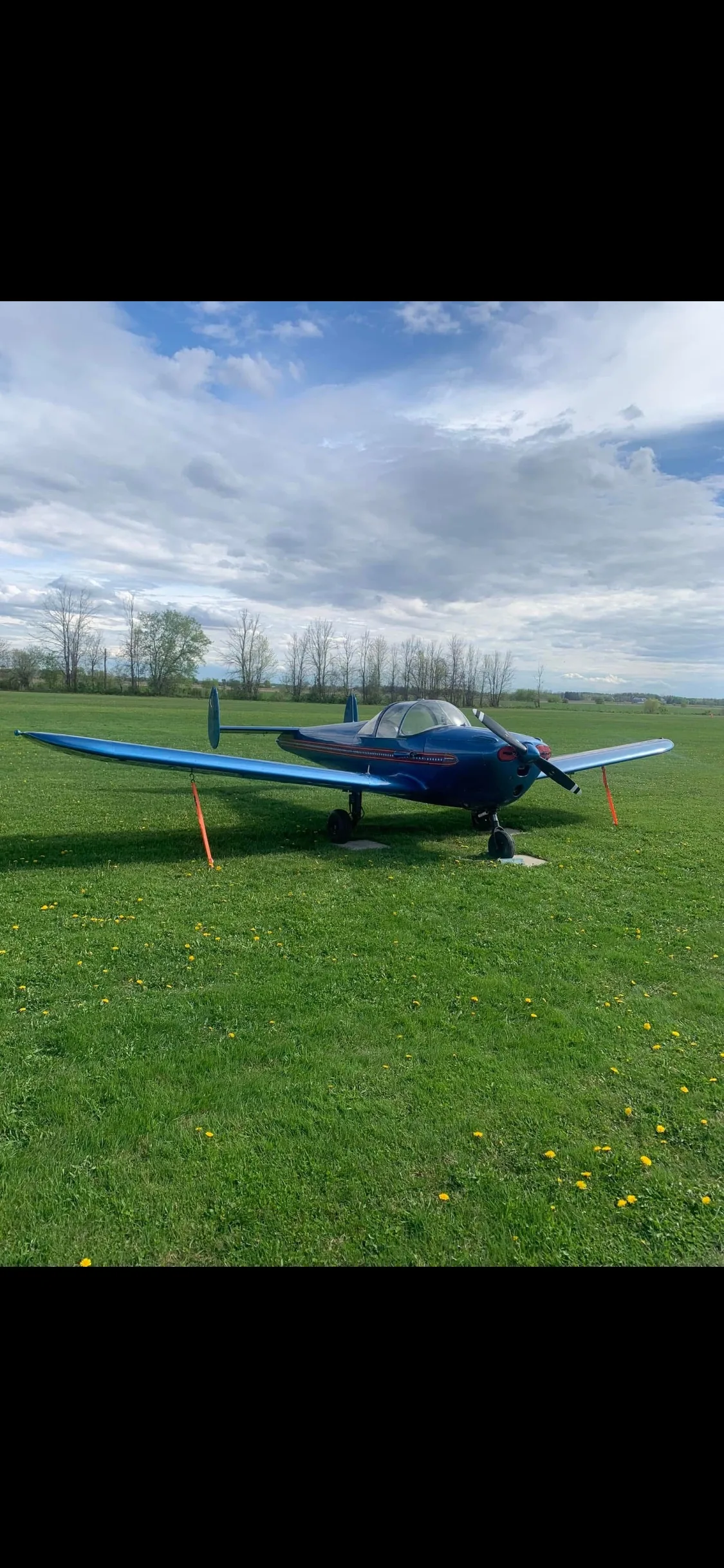
Free — save the 415 to your watchlist and track it in one place.
More ERCOUPE 415-Cmanuals & documents
- Ercoupe POHPilot's Operating Handbook
- Ercoupe Service Bulletin 33 Revision AService Bulletins
- Ercoupe Service Bulletin 32Service Bulletins
- Ercoupe Service Memorandum 44Service Bulletins
- Ercoupe Service Memorandum 46Service Bulletins
- Ercoupe Service Memorandum No. 41Service Bulletins
- Ercoupe Service Memorandum 51Service Bulletins
- Ercoupe Service Bulletins & Ltrs. by topicService Bulletins
Related documents
- ERCO 415 Ercoupe Model GuideERCO 415 Ercoupe · Model Guide
- Ercoupe Service Bulletin 33 Revision AERCOUPE 415-C · Service Bulletins
- Ercoupe Service Bulletins & Ltrs. by topicERCOUPE 415-C · Service Bulletins
- CESSNA 402C Model GuideCESSNA 402C · Model Guide
- Cessna 150 Aerobat Model GuideCessna 150 Aerobat · Model Guide
If you fly the ERCOUPE 415-C, you may also be researching these.


In this document
What it is
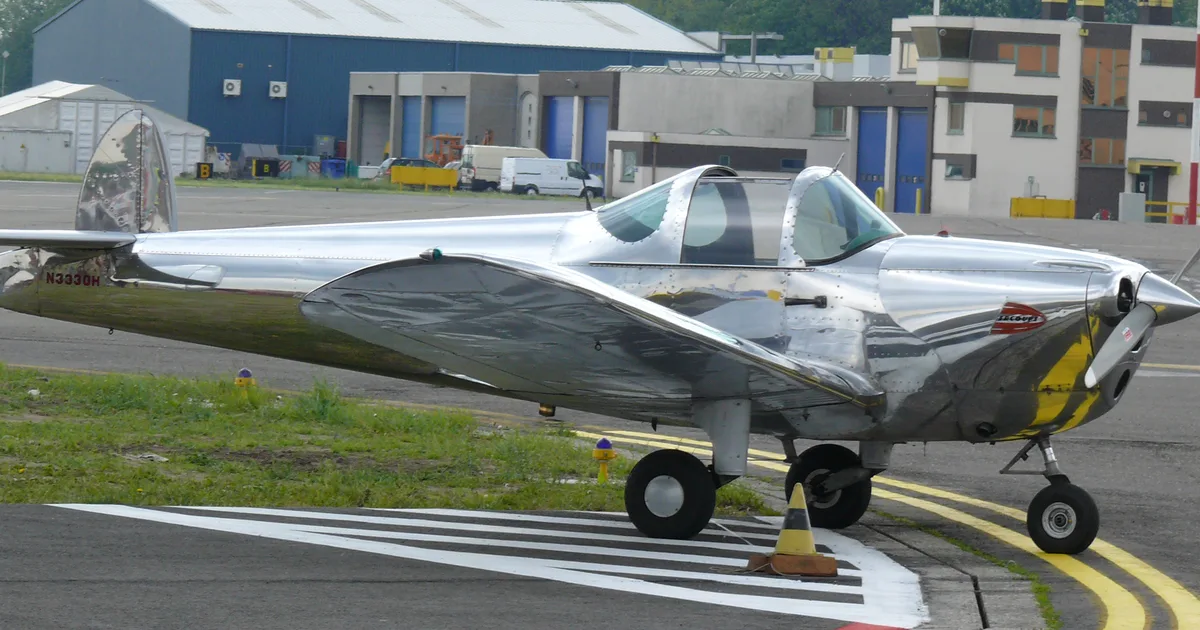
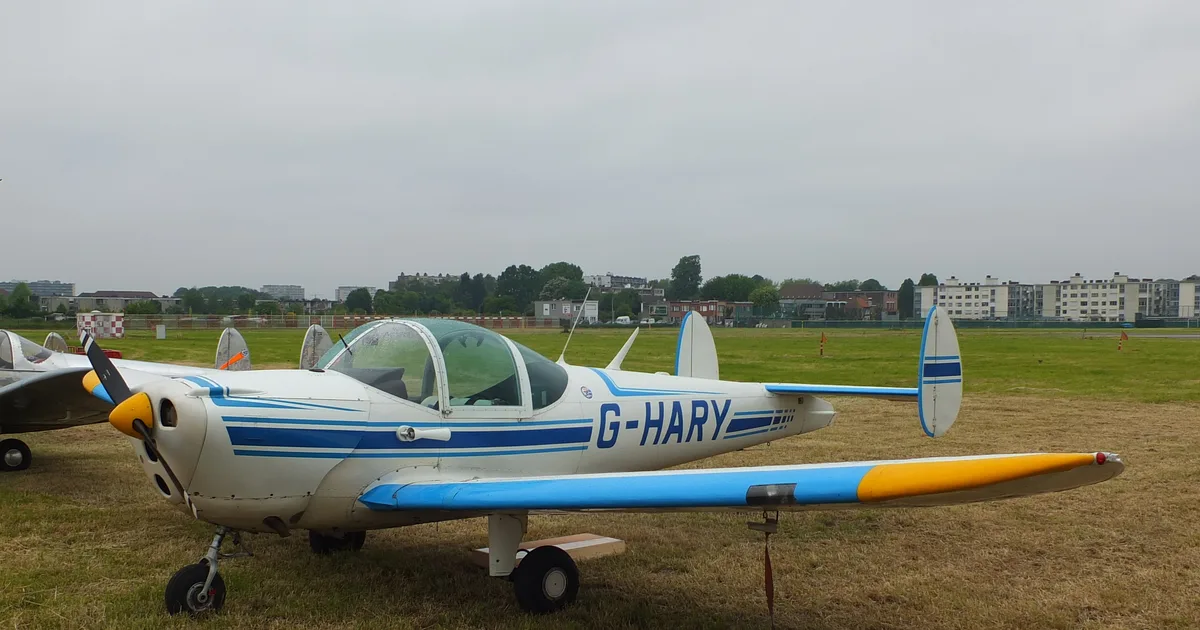
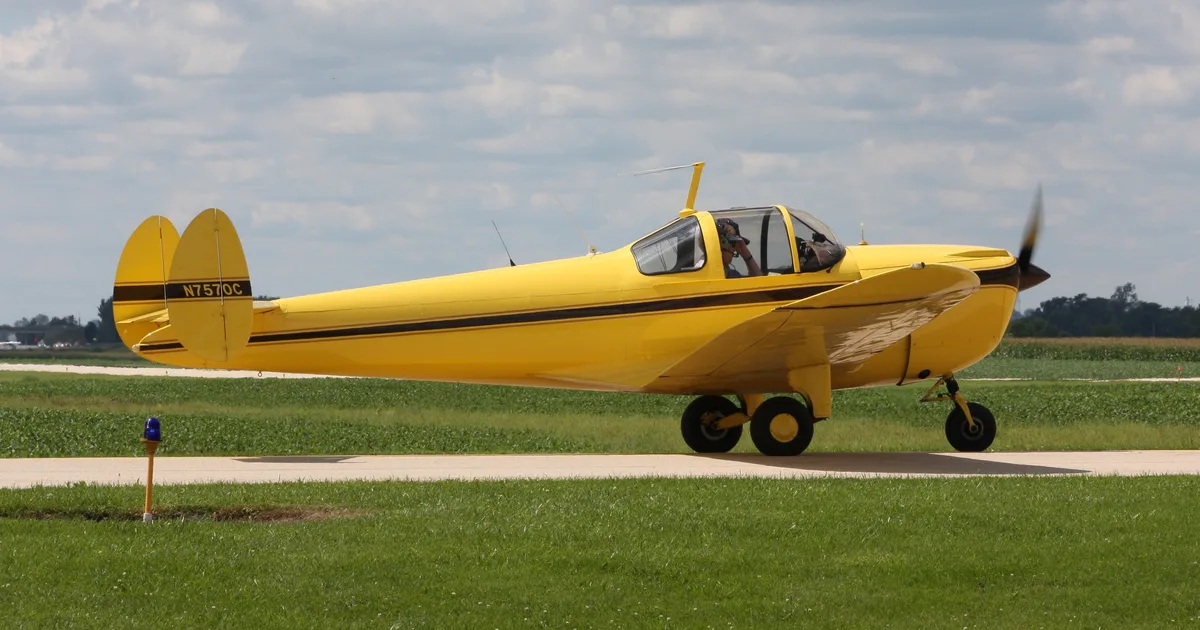
Fred Weick designed the Ercoupe in 1939 to be stall-resistant and easy to land. It has tricycle gear and no rudder pedals, because the ailerons are interconnected with the rudders. The 1946 article says it can't be stalled, cross-controlled or spun. Many flying Ercoupes have since had rudder pedals fitted in place of the original floor brake pedal.
What to inspect
Service Bulletin 32 requires ultrasonic inspection of the center-section spar-cap rivets, repeated every six years, because corrosion can be hidden. Bulletin 33 requires checking both fuel shut-off valves at every 100-hour or annual inspection. Memo 44 warns that spilled battery acid corrodes the structure and baggage area. Memo 41 covers fuel pump line chafing on serial numbers up to 3642.
Handling and ground notes
Braking on a rudder-pedal conversion uses a panel T-handle that applies both wheel brakes or none, so differential braking is not possible. The factory crosswind technique is a wings-level crab. Nose wheel pressures: 15-18 psi for the 5.00 x 5 and 6-10 psi for the 6.00 x 6. Incorrect pressure increases nose wheel shimmy.
Summary written by AI from the source document. Check the original before relying on it. See which parts of Sprinkle are written by AI.
Safety notes
- Service Bulletin 33: a wing tank fuel valve left closed can cause fuel starvation. Confirm both valves are open before every flight.
- Service Bulletin 32: spar-cap rivet corrosion can't be seen visually. Verify the ultrasonic inspection is logged.
- Memo 44: acid from the battery box corrodes structure and the baggage compartment. Inspect around and aft of the battery box.
Summary written by AI from the source document. Check the original before relying on it. See which parts of Sprinkle are written by AI.
Full document text
ERCOUPE 415-C Model Guide The ERCOUPE 415-C is a two-seat, single-engine piston light aircraft built by ERCO and powered by a 75-horsepower Continental C-75. A total of 4,309 were built in 1946, and that year's 415-C still dominates the Ercoupe market. It is out of production, and Univair supplies parts and support. Buy it on airframe condition and service-bulletin compliance. • Two-seat piston single with a 75-horsepower Continental C-75; the family is listed at up to 2 passengers. • Out of production; Univair has held the type certificate since 1974 and provides parts and support. • Wing center section spar-cap rivets need a mandatory ultrasonic inspection (Service Bulletin 32); ask for the records. • Check fuel shut-off valves, battery-acid corrosion and nose gear condition; the POH is short on data. What it is Fred Weick designed the Ercoupe in 1939 to be stall-resistant and easy to land. It has tricycle gear and no rudder pedals, because the ailerons are interconnected with the rudders. The 1946 article says it can't be stalled, cross-controlled or spun. Many flying Ercoupes have since had rudder pedals fitted in place of the original floor brake pedal. What to inspect Service Bulletin 32 requires ultrasonic inspection of the center-section spar-cap rivets, repeated every six years, because corrosion can be hidden. Bulletin 33 requires checking both fuel shut-off valves at every 100-hour or annual inspection. Memo 44 warns that spilled battery acid corrodes the structure and baggage area. Memo 41 covers fuel pump line chafing on serial numbers up to 3642. Handling and ground notes Braking on a rudder-pedal conversion uses a panel T-handle that applies both wheel brakes or none, so differential braking is not possible. The factory crosswind technique is a wings-level crab. Nose wheel pressures: 15-18 psi for the 5.00 x 5 and 6-10 psi for the 6.00 x 6. Incorrect pressure increases nose wheel shimmy. Safety notes: • Service Bulletin 33: a wing tank fuel valve left closed can cause fuel starvation. Confirm both valves are open before every flight. • Service Bulletin 32: spar-cap rivet corrosion can't be seen visually. Verify the ultrasonic inspection is logged. • Memo 44: acid from the battery box corrodes structure and the baggage compartment. Inspect around and aft of the battery box.