JABIRU J400 Model Guide
JABIRU J400 · Model Guide
Overview
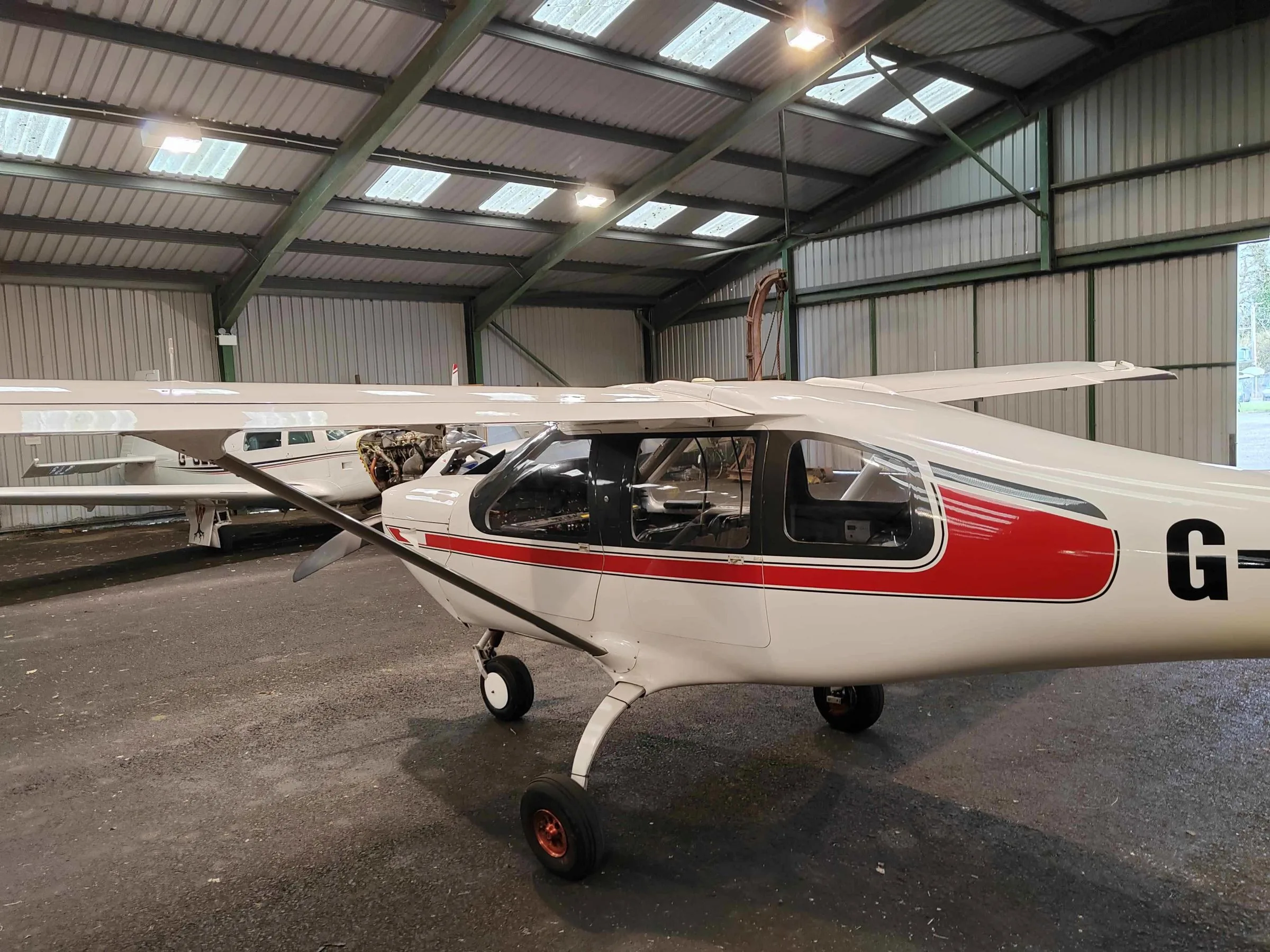
JABIRU J400 is a 4-seat light aircraft designed by Jabiru Aircraft for the amateur-built market. It started the Jabiru J Series and has a 3-door fuselage. The supplied documents give no performance, weight or speed figures, so check the aircraft's own manuals.
- The J400 started the J Series as a 4-seat amateur-built design; the J200 is its 2-seat spin-off.
- The J400 family has 3-door fuselages and is covered by a mandatory undercarriage bolt upgrade.
- Converting between 2 and 4 seats needs local airworthiness authority approval.
- No performance, weight or speed data appears in the supplied documents.
Summary written by AI from the source document. Check the original before relying on it. See which parts of Sprinkle are written by AI.
Reference only, not for flight. Use the current approved manual for your aircraft. See terms, section 5.
Document
Source
Copy found at sprinkle.com. Sprinkle hosts a reference copy with an added summary, specifications and searchable full text.
Document details
- Type ·
- Model Guide
- Year ·
- 2026
- File size ·
- 44 KB
- Copy found at ·
- sprinkle.com
How many seats does the JABIRU J400 have?
JABIRU J400 is a 4-seat light aircraft. It can be configured as a 2-seat aircraft, but only with approval from the local airworthiness authority.
Is there a mandatory service bulletin for the JABIRU J400?
Yes. JSB 008-1 makes the upgrade from 5/16" to 3/8" main undercarriage bolts mandatory for the J400 family. Do it at the next 100-hourly inspection, or within 10 hours if the aircraft is exposed to the risk factors.
Who can do the undercarriage bolt work on a JABIRU J400?
Per JSB 008-1, approved personnel such as the kit builder or a Level 2 Maintenance Authority holder. The work must be recorded in the maintenance log.
What is the JABIRU J400 Model Guide?
The JABIRU J400 Model Guide is a model guide for the JABIRU J400, dated 2026.
What year was the JABIRU J400 Model Guide published?
The JABIRU J400 Model Guide — the JABIRU J400 model guide on file — is dated 2026.
Common. More common than 80% of the aircraft models we track.
Most owners only have the POH. Here's the essential set for the JABIRU J400.
- Pilot's Operating Handbook / AFM
- Checklist
- Maintenance Manual
- Parts Catalog (IPC)
- Systems & Wiring
- Service Bulletins on file
- Type Certificate (TCDS)
JABIRU J400 for sale now
Free — save the J400 to your watchlist and track it in one place.
More JABIRU J400manuals & documents
Related documents
- SERVICE BULLETIN: JSB 028-1JABIRU J400 · Service Bulletins
- JABIRU J430 Model GuideJABIRU J430 · Model Guide
- Jabiru J400 Owners ManualJABIRU J400 · Pilot's Operating Handbook
- SERVICE BULLETIN: JSB 008-1JABIRU J400 · Service Bulletins
- Beechcraft Beechjet 400A Model GuideBeechcraft Beechjet 400A · Model Guide
If you fly the JABIRU J400, you may also be researching these.


In this document
Main undercarriage bolts (JSB 008-1)
Failures of the main undercarriage leg attachment bolts were linked to rough grass strips, high airframe hours and regular operation near maximum take-off weight. The original 5/16" bolts must be replaced with 3/8" bolts at the next 100-hourly inspection, or within 10 hours if the aircraft often faces those conditions. 3/8" bolts are standard from J400 family serial 234-237, then 240 onward.
Seating and configuration (JSB 028-1)
A 4-seat J Series has a rear seat pan, rear seat back, two rear seat belts, six rear belt hardpoints and rear headsets. A 2-seat aircraft may omit the rear seat back, pan and headsets, but the hardpoints stay because they anchor cargo tie-downs. The cargo shelf/forward bulkhead is primary structure and must not be removed or modified.
What to check when buying
Confirm the logbook shows JSB 008 was carried out and that 3/8" bolts are fitted. Check the leg clamp plate for bending. Ask how many hours the airframe has, how often it flew at maximum weight and whether it used rough grass strips. Verify the seat configuration matches its registration and approvals.
Summary written by AI from the source document. Check the original before relying on it. See which parts of Sprinkle are written by AI.
Safety notes
- Undercarriage bolt failures occurred on J400 family aircraft; the 3/8" bolt upgrade is mandatory for the family.
- Seat count changes may affect the category the aircraft can operate in; get authority approval first.
- Do not remove or modify the cargo shelf/forward bulkhead; it is primary structure.
Summary written by AI from the source document. Check the original before relying on it. See which parts of Sprinkle are written by AI.
Full document text
JABIRU J400 Model Guide JABIRU J400 is a 4-seat light aircraft designed by Jabiru Aircraft for the amateur-built market. It started the Jabiru J Series and has a 3-door fuselage. The supplied documents give no performance, weight or speed figures, so check the aircraft's own manuals. • The J400 started the J Series as a 4-seat amateur-built design; the J200 is its 2-seat spin-off. • The J400 family has 3-door fuselages and is covered by a mandatory undercarriage bolt upgrade. • Converting between 2 and 4 seats needs local airworthiness authority approval. • No performance, weight or speed data appears in the supplied documents. Main undercarriage bolts (JSB 008-1) Failures of the main undercarriage leg attachment bolts were linked to rough grass strips, high airframe hours and regular operation near maximum take-off weight. The original 5/16" bolts must be replaced with 3/8" bolts at the next 100-hourly inspection, or within 10 hours if the aircraft often faces those conditions. 3/8" bolts are standard from J400 family serial 234-237, then 240 onward. Seating and configuration (JSB 028-1) A 4-seat J Series has a rear seat pan, rear seat back, two rear seat belts, six rear belt hardpoints and rear headsets. A 2-seat aircraft may omit the rear seat back, pan and headsets, but the hardpoints stay because they anchor cargo tie-downs. The cargo shelf/forward bulkhead is primary structure and must not be removed or modified. What to check when buying Confirm the logbook shows JSB 008 was carried out and that 3/8" bolts are fitted. Check the leg clamp plate for bending. Ask how many hours the airframe has, how often it flew at maximum weight and whether it used rough grass strips. Verify the seat configuration matches its registration and approvals. Safety notes: • Undercarriage bolt failures occurred on J400 family aircraft; the 3/8" bolt upgrade is mandatory for the family. • Seat count changes may affect the category the aircraft can operate in; get authority approval first. • Do not remove or modify the cargo shelf/forward bulkhead; it is primary structure.