SOCATA TBM 700 Model Guide
SOCATA TBM 700 · Model Guide
Overview
The SOCATA TBM 700 is a single-engine turboprop. The family covers the TBM 700, TBM700 A, B, C1, C2 and N variants. Registry data for the whole family shows up to 1700 nm range, 252 kt cruise, 3400 kg MTOW, 8 passengers and a 31000 ft ceiling. The only document supplied is one aircraft's PT6A-66D engine logbook, so this guide focuses on engine history and what to check.
- The engine in the supplied log is a Pratt & Whitney Canada PT6A-66D, fitted new to N836EA (serial 657). The logbook was opened 15 FEB 2013.
- Hot section inspections were logged at 1220.9 hours (Dec 2016, after FOD was found on borescope) and at 1693.1 hours (Oct 2019).
- The 9/27/2024 annual shows 2516.8 hours total time since new, with regular washes, chip detector checks and fuel nozzle cleaning logged.
Summary written by AI from the source document. Check the original before relying on it. See which parts of Sprinkle are written by AI.
Reference only, not for flight. Use the current approved manual for your aircraft. See terms, section 5.
Document
Source
Copy found at sprinkle.com. Sprinkle hosts a reference copy with an added summary, specifications and searchable full text.
Document details
- Type ·
- Model Guide
- Year ·
- 2026
- File size ·
- 45 KB
- Copy found at ·
- sprinkle.com
Specifications & performance
Extracted from this document.
Performance
- Family max range (nm) ·
- 1,700
- Family max cruise speed (kt) ·
- 252
- Family max service ceiling (ft) ·
- 31,000
What engine does the SOCATA TBM 700 in the log use?
The SOCATA TBM 700 in the supplied logbook (N836EA, serial 657) has a Pratt & Whitney Canada PT6A-66D turboprop engine.
How much does the SOCATA TBM 700 carry and how far does it fly?
The SOCATA TBM 700 family seats up to 8 passengers, with up to 3400 kg MTOW and up to 1700 nm range. These are maxima across all variants, not figures for one variant.
What major engine work is in the SOCATA TBM 700 log?
The SOCATA TBM 700 log shows hot section inspections at 1220.9 and 1693.1 hours. It also shows a compressor turbine disk record and new shroud segments in 2019.
What is the SOCATA TBM 700 Model Guide?
The SOCATA TBM 700 Model Guide is a model guide for the SOCATA TBM 700, dated 2026.
What year was the SOCATA TBM 700 Model Guide published?
The SOCATA TBM 700 Model Guide — the SOCATA TBM 700 model guide on file — is dated 2026.
Common. More common than 97% of the aircraft models we track.
Most owners only have the POH. Here's the essential set for the SOCATA TBM 700.
- Pilot's Operating Handbook / AFM
- Checklist
- Maintenance Manual
- Parts Catalog (IPC)
- Systems & Wiring
- Service Bulletins on file
- Type Certificate (TCDS)
SOCATA TBM 700 for sale now
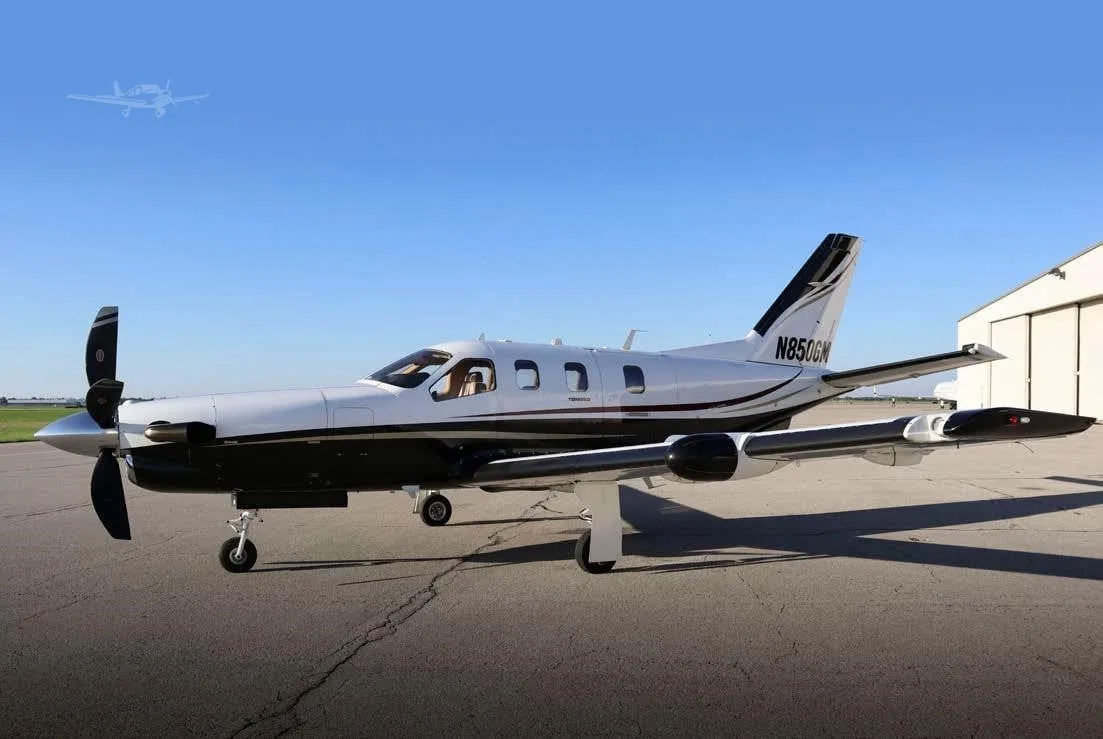

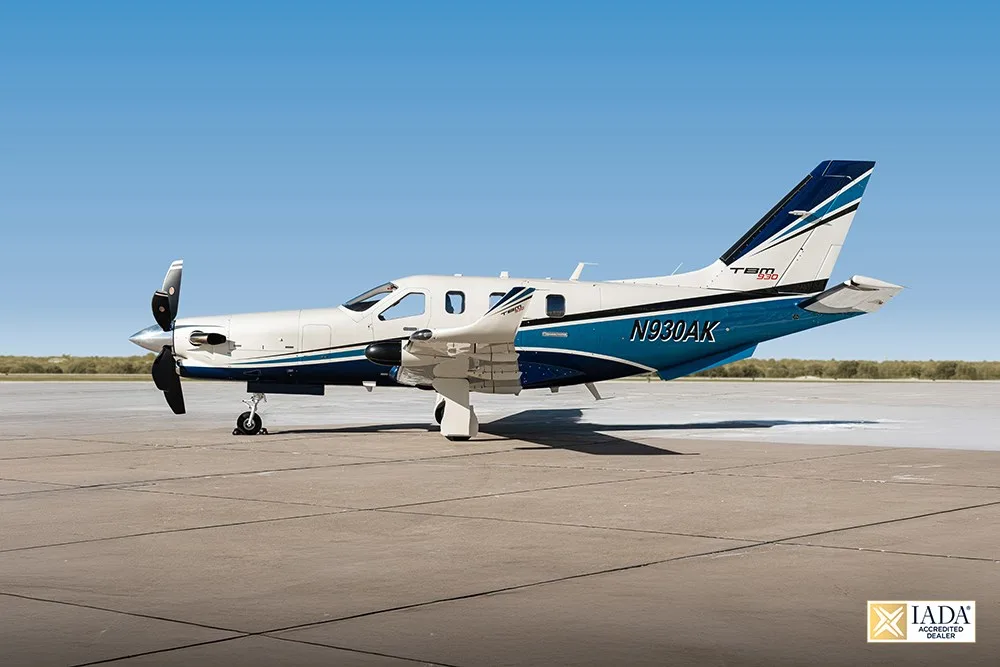
Free — save the TBM 700 to your watchlist and track it in one place.
More SOCATA TBM 700manuals & documents
Related documents
- 2003 Socata TBM 700C2 - NebrigSOCATA TBM 700C2 · Maintenance Manual
- SOCATA TB-10 TOBAGO Model GuideSOCATA TB-10 TOBAGO · Model Guide
- TECNAM P-2006T Model GuideTECNAM P-2006T · Model Guide
- Socotta TBM700 / 850 - McFarlane AviationSOCATA TBM 700 · Parts Catalog
- Tecnam P2008JC MKII ManualTECNAM P2008 · Checklist
If you fly the SOCATA TBM 700, you may also be researching these.


In this document
Engine history from the log
The first 100 hour inspection at 101.8 hours blended minor first-stage compressor blade erosion. A 400 hour borescope in Oct 2015 found minor compressor turbine blade impact damage, within limits. The 2019 hot section inspection replaced 10 shroud segments and a PT seal ring, and the final CT blade tip clearance was 0.018 inches.
What to check when buying
Ask for the full engine logbook and the borescope reports. Confirm the 400 hour fuel nozzle cleaning and flow checks, the chip detector checks and the hot section records. The log shows oil conversion to Aeroshell 560 in 2016, a reverse linkage swivel joint replaced in 2019, and salt-laden environment washes with anti-corrosion treatment of the compressor inlet.
Summary written by AI from the source document. Check the original before relying on it. See which parts of Sprinkle are written by AI.
Safety notes
- FOD was found during the Dec 2016 borescope, which led to a hot section inspection. Review the borescope history of any TBM 700 you are considering.
- A damaged reverse linkage swivel joint was replaced in Oct 2019. Check the condition and records of the reverse linkage.
- Salt-laden operation is recorded in the log. Inspect for corrosion at the engine inlet and compressor.
Summary written by AI from the source document. Check the original before relying on it. See which parts of Sprinkle are written by AI.
Full document text
SOCATA TBM 700 Model Guide The SOCATA TBM 700 is a single-engine turboprop. The family covers the TBM 700, TBM700 A, B, C1, C2 and N variants. Registry data for the whole family shows up to 1700 nm range, 252 kt cruise, 3400 kg MTOW, 8 passengers and a 31000 ft ceiling. The only document supplied is one aircraft's PT6A-66D engine logbook, so this guide focuses on engine history and what to check. • The engine in the supplied log is a Pratt & Whitney Canada PT6A-66D, fitted new to N836EA (serial 657). The logbook was opened 15 FEB 2013. • Hot section inspections were logged at 1220.9 hours (Dec 2016, after FOD was found on borescope) and at 1693.1 hours (Oct 2019). • The 9/27/2024 annual shows 2516.8 hours total time since new, with regular washes, chip detector checks and fuel nozzle cleaning logged. Engine history from the log The first 100 hour inspection at 101.8 hours blended minor first-stage compressor blade erosion. A 400 hour borescope in Oct 2015 found minor compressor turbine blade impact damage, within limits. The 2019 hot section inspection replaced 10 shroud segments and a PT seal ring, and the final CT blade tip clearance was 0.018 inches. What to check when buying Ask for the full engine logbook and the borescope reports. Confirm the 400 hour fuel nozzle cleaning and flow checks, the chip detector checks and the hot section records. The log shows oil conversion to Aeroshell 560 in 2016, a reverse linkage swivel joint replaced in 2019, and salt-laden environment washes with anti-corrosion treatment of the compressor inlet. Safety notes: • FOD was found during the Dec 2016 borescope, which led to a hot section inspection. Review the borescope history of any TBM 700 you are considering. • A damaged reverse linkage swivel joint was replaced in Oct 2019. Check the condition and records of the reverse linkage. • Salt-laden operation is recorded in the log. Inspect for corrosion at the engine inlet and compressor.